


CVMI: Next-Generation Native-Speed Virtual Machine Introspection for Secure Cloud Environments
Virtual Machine Introspection (VMI) is the foundational technology for modern cloud security, enabling intrusion detection, live forensics, and auditing. However, current VMI deployments (like LibVMI) are inherently host-based, operating within the hypervisor or privileged management domains. This introduces significant operational and security bottlenecks: it exposes the hypervisor to sophisticated attack vectors and creates a fundamental conflict of interest regarding tenant privacy and cloud provider incentives.

GuardShare: Secure Cloud Data Sharing System
Public cloud storage has become the backbone of modern enterprise collaboration, prized for its scalability, accessibility, and cost efficiency. Yet a case study of six mainstream cloud storage platforms reveals three persistent security gaps: the lack of native or universally available end-to-end encryption (E2EE), reliance on third-party key-management services that introduce additional trust assumptions and single points of failure, and inflexible or inefficient permission revocation.
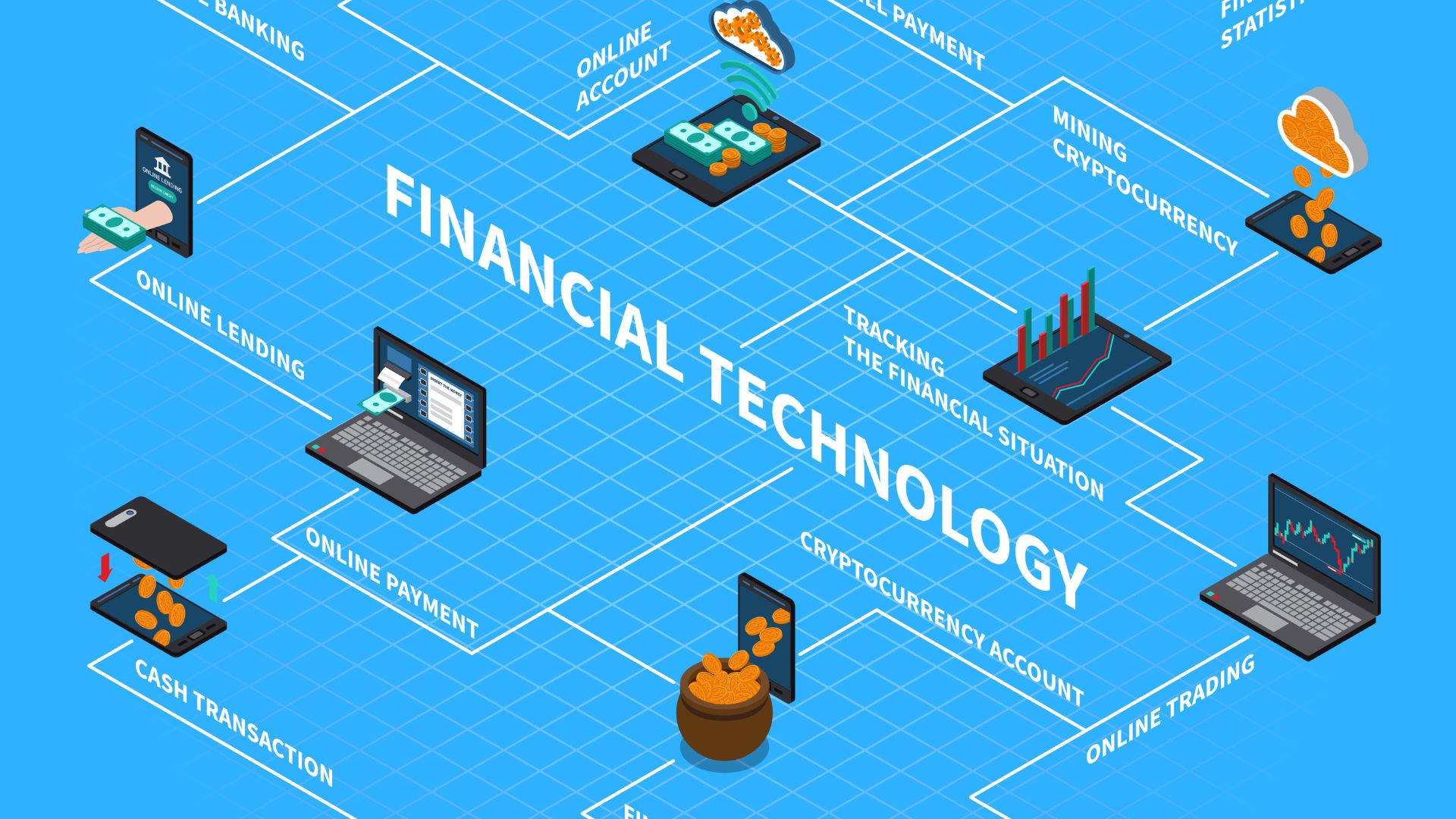
NARFIN - Digital Financial Innovation Platform
NARFIN (Narwhal Financial Systems) is a Singapore-based fintech spin-off from SMU, delivering next-generation digital banking and financial management solutions. NARFIN’s platform empowers banks, remittance houses, MNCs, and digital financial institutions to streamline treasury, remittance, and core banking operations with modular, cloud-ready systems. The company’s technology is proven in production environments and trusted by leading clients in Asia.

Document-based Question Answering System
Finding precise answers to questions within given articles is a challenge that existing systems struggle to address. There is a need for an AI-driven question answering technology that can automatically extract short spans of text as precise answers from articles.

Consensus in distributed ledger technology is often limited by the blockchain trilemma, which encompasses data size, consensus speed, and network security. In this context, we present a leaderless quantum consensus algorithm that utilizes quantum simulators and real quantum computers for a simplified consensus scenario.